

Large commercial sites face a wide range of physical security risks, including theft, trespass, vandalism, unauthorised access and operational disruption. However, many organisations still rely on static security measures that may no longer reflect the real risks affecting their sites.
This article explores some of the most common physical security risks affecting large UK sites and outlines practical ways organisations can strengthen protection, improve response times and reduce operational vulnerability.
From perimeter security and alarm response to CCTV monitoring, live threat intelligence and supplier performance, effective commercial security depends on aligning protection with real-world risk exposure.
Large commercial sites rarely experience security failures because there is no security in place at all. More often, problems arise because security provision is not properly aligned with the actual risk profile of the site.
Many organisations already have guards on site, CCTV systems, scheduled patrols and documented procedures. Yet theft, trespass, vandalism and unauthorised access can still occur. Effective physical security is not simply about having visible cover in place. It is about ensuring the right protection is applied to the right risks at the right time.
For larger organisations, the consequences of a security failure can extend far beyond asset loss. A single incident may affect operations, supply chains, staff safety, tenants, service delivery, reputation and contract performance.
As a result, organisations increasingly need risk-responsive security strategies rather than reactive security provision.
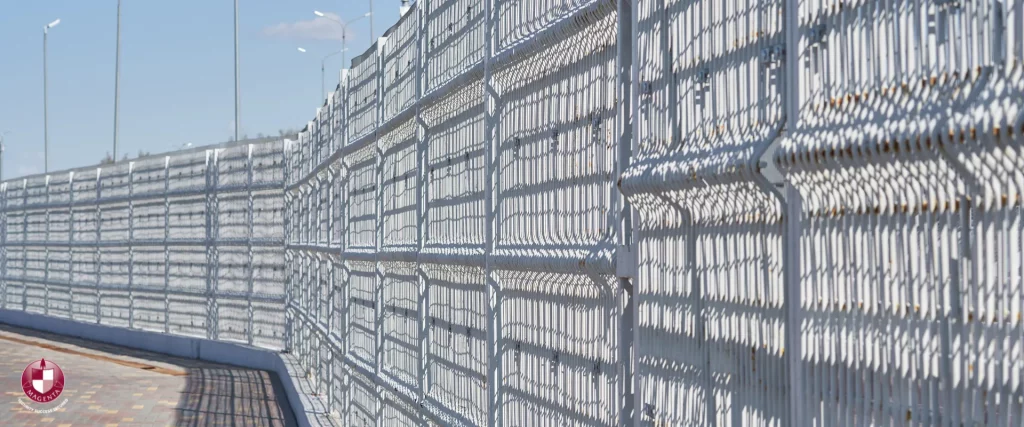
Perimeter weakness remains one of the most common physical security risks affecting large sites. Common vulnerabilities may include:
These risks are particularly relevant for logistics, industrial, construction, education, healthcare, storage and manufacturing environments.
Once an offender breaches the perimeter, the situation becomes significantly harder to control. Therefore, organisations should focus on reducing opportunity before unauthorised entry occurs.
Practical security solutions may include mobile patrols, K9 security, enhanced perimeter inspections, CCTV-supported response and stronger escalation procedures.
Many organisations operate across multiple locations with very different risk profiles.
For example, one site may store high-value stock, while another has limited overnight staffing. Some locations may experience known perimeter weaknesses, whereas others may face increased local crime activity.
However, a common mistake is applying the same security model across every site. This can lead to overprotection in some areas and under protection in others.
Risk-responsive security starts with assessing each site individually according to:
Organisations should then align security provision with actual exposure and operational risk.
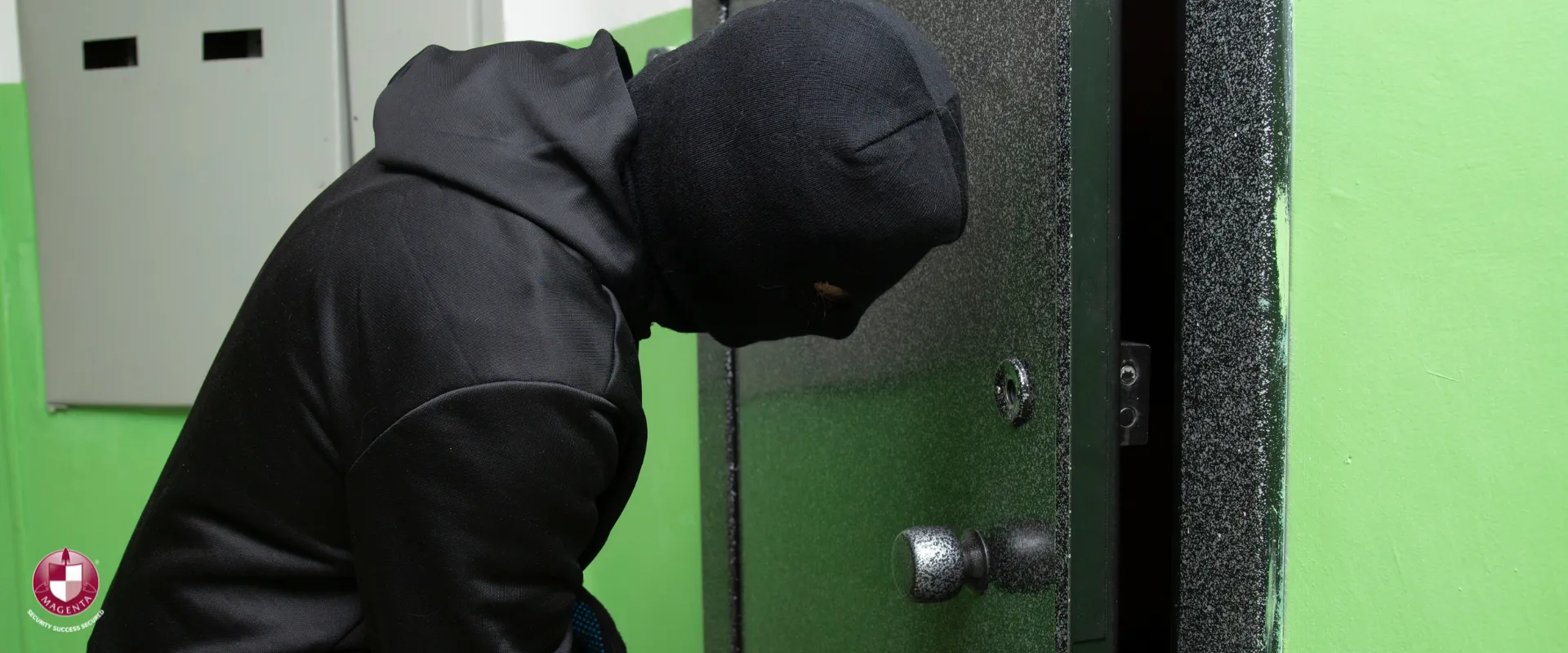
Theft continues to represent a major physical security concern for commercial organisations. Assets commonly targeted include:
In many cases, the wider impact of theft exceeds the value of the stolen item itself. Organisations may also experience downtime, replacement delays, emergency repairs, insurance administration, operational disruption and customer dissatisfaction.
Effective protection should therefore be measured not only by physical presence, but by its ability to reduce opportunity, deter offenders and support rapid response when risks emerge.
Trespass is often treated as a nuisance. However, for larger sites it can signal wider security vulnerabilities.
Unauthorised access may indicate that individuals are testing response times, identifying weaknesses or assessing potential targets.
Repeated trespass incidents can also precede theft, vandalism, arson or serious safety risks. This is particularly relevant for:
In addition, organisations should ensure security teams properly record and analyse trespass incidents rather than simply removing individuals and moving on.

Alarm systems are only effective when the response behind them is reliable.
In larger organisations, alarm escalation procedures can quickly become complicated. Multiple stakeholders, contractors, keyholders and response processes may create confusion or delay. Key questions organisations should consider include:
Professional keyholding, alarm response and mobile patrol services can help ensure incidents receive timely and controlled responses.

Although CCTV remains valuable, it does not remove risk on its own.
Without active monitoring, escalation and response procedures, CCTV may simply record incidents after they happen. For complex commercial sites, CCTV should form part of a broader security strategy that includes:
Ultimately, the important question is not whether CCTV exists, but what happens when it identifies a threat.
Security teams operating separately from site operations may miss important context.
Facilities, estates and operational teams understand the daily rhythms of a site, including delivery schedules, contractor access, staffing patterns, vulnerable assets and high-risk periods.
Security personnel require this operational understanding to make informed decisions and respond more effectively.
When security is properly integrated with operations, organisations often benefit from:
Magenta Security’s approach is built around close collaboration with customer operations teams so security provision supports the way each site genuinely functions.
Security risks can change quickly.
However, many organisations still rely on static security models that fail to adapt as operational threats evolve. As sites expand, staffing patterns shift and local crime activity changes, vulnerabilities can develop gradually without being identified early enough.
Nearby incidents, suspicious vehicle activity, repeated trespass or sector-specific crime trends may all increase exposure.
If security provision does not adapt accordingly, organisations may continue relying on outdated protection strategies.
Live threat intelligence can help organisations:
For organisations operating across multiple sites, this visibility can be particularly valuable.
A security contract may appear compliant while still underperforming operationally.
Shifts may be covered, patrols completed and reports submitted. However, the more important question is whether the provider is genuinely reducing risk. Organisations should regularly ask:
Organisations should measure security performance by outcomes, not simply activity levels.
Magenta Security helps larger organisations reduce theft, trespass, asset loss, property damage and operational disruption through dependable commercial security services delivered by licensed and fully trained personnel. Support may include:
The aim is not simply to provide cover. It is to reduce risk, strengthen response and support operational continuity.
Complex sites do not need security that simply fills shifts. They need security that understands operational risk.
If your current security provision feels reactive, inconsistent or disconnected from day-to-day operations, critical vulnerabilities may still exist.
Ultimately, effective security should be measured by the risks it reduces, not simply the cover it provides.
Is your current security provision actively reducing risk or simply covering shifts?
Request a Magenta Security risk-responsive review to identify where your site or estate may be exposed.
Simply call our award winning customer service team on 0800 772 3786.