

Staff shortages are an increasingly common challenge for organisations across all sectors. Whether caused by seasonal holidays, illness, recruitment gaps or unexpected departures, reduced staffing levels can place added pressure on physical security arrangements.
The good news is that staff shortages do not automatically have to result in increased security incidents. With the right approach your organisation can continue to protect your people, property and assets until normal staffing levels are restored.
When staffing is limited, it becomes essential to focus on what matters most. Not every security post carries the same level of risk. Main entrances, reception areas, control rooms and high value or sensitive locations should always take priority.
Where possible, simplify your site layout during low staff periods. Reducing the number of access points in use allows security personnel to maintain better oversight. Closing secondary entrances and funnelling visitors through a single monitored entry point can significantly reduce your exposure without disrupting operations.
This approach ensures that limited resources are used where they will have the greatest impact rather than being spread too thinly across your site.
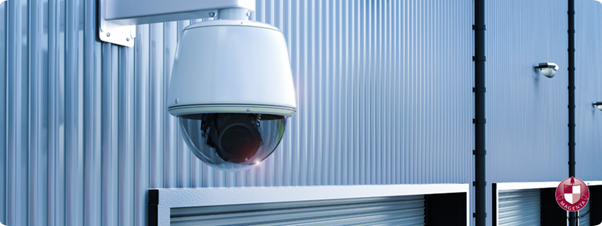
Security technology plays a vital role when human resources are stretched. CCTV systems, alarms and access control provide continuous coverage and act as both a deterrent and an early warning system.
Ensuring your cameras are fully operational and correctly positioned is especially important during staff shortages. Remote monitoring and motion activated alerts allow incidents to be identified quickly, even when there are fewer people on your site. Access control systems also help limit unauthorised movement and provide a clear audit trail, which can be invaluable if an incident occurs.
Technology should not replace people entirely, but it can significantly reduce risk by supporting smaller teams and maintaining visibility across your site.
Low staffing levels require a smarter, more flexible approach to patrols. Rather than following rigid routines, patrols should be targeted towards higher risk areas and times of day. Varying routes and timings makes security presence less predictable and therefore more effective.
Some areas may require more frequent checks due to the value of assets stored or past incidents, while others can be monitored less often during quieter periods. Reviewing recent activity and adjusting patrols accordingly helps ensure limited resources are focused where they are most needed.

Clear communication becomes even more important during periods of staff shortage. Security teams and your team need to understand revised priorities, temporary procedures and escalation routes. Regular briefings help ensure everyone is aligned and confident in their responsibilities.
Wider staff should also be kept informed if access points are closed or procedures change. When your team understand why adjustments have been made, they are more likely to cooperate and remain vigilant. Encouraging your team to report suspicious activity and follow security protocols can provide valuable additional support during this time.
Staff shortages can quickly alter your organisation’s risk profile. Regular risk reviews, even if informal, help identify new vulnerabilities and ensure controls remain appropriate. Checking lighting, locks, alarms and camera coverage should be part of an ongoing process rather than a one off exercise.
Input from front line security personnel is particularly valuable, as they are often the first to notice emerging gaps or changes in behaviour around the site. Regular reassessment allows your organisation to stay proactive rather than reactive.
In some cases, staff shortages can arise suddenly or continue for longer than expected, particularly following an unexpected departure or delay in recruitment. During these periods, it is often sensible to contract a security provider that is flexible and able to offer additional support at short notice.
A responsive provider can step in to support existing arrangements, with security personnel trained quickly to understand your site, procedures and risks.
Access to temporary cover, mobile patrols or enhanced monitoring can help maintain security standards while internal staffing challenges are addressed. Having a security partner that can adapt and respond as circumstances change provides reassurance, continuity and peace of mind during what can otherwise be a high risk period.
Operating with reduced or restructured teams is never ideal, but it does not have to put your people, property or reputation at risk. With the right support in place, security can remain consistent, responsive and proportionate, even during periods of change.
At Magenta Security, we specialise in stepping in when organisations need extra support. From short term cover and adapted patrols to proactive risk reviews and practical use of technology, our award winning team helps maintain control and continuity when staffing levels are under pressure. If you would like to talk through your current situation and explore how flexible security support could help, call our friendly team on 0800 772 3786 and start a conversation today.
December 2025